KPV
KPV Tripeptide (Lys-Pro-Val)
Alpha-MSH is a potent anti-inflammatory hormone, but it carries baggage like aggressive skin darkening and unwanted sexual arousal. Researchers isolated just the final three amino acids of its sequence—Lysine, Proline, and Valine—to create KPV. You get the massive gut-healing and immune-modulating benefits of the parent molecule without the melanogenic side effects. It is a highly precise, targeted anti-inflammatory tool.
Purity
99%+
Molecular Weight
342.43 g/mol
Administration
Subcutaneous injection
Storage
Store lyophilized powder at -20°C for up to 24 months
Mechanism of Action
KPV suppresses inflammation through two distinct pathways. It binds directly to Melanocortin-1 Receptors (MC1R) on immune cells to dial down pro-inflammatory cytokine production. More importantly, it actually enters cells via PepT1 transporters to inhibit the NF-κB pathway at the nuclear level. Shut down NF-κB expression, and you effectively cut off the transcription of inflammatory cascades like TNF-alpha and IL-6 at their source.
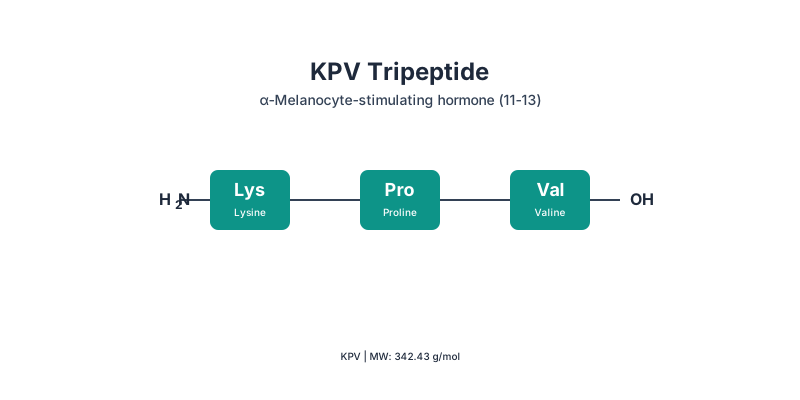
Sequence:
Lys-Pro-Val Chemical Structure
Research Areas
- Inflammatory bowel disease (Crohn's and Colitis)
- Dermal wound healing and tissue regeneration
- Psoriasis and localized skin inflammation
- Fungal and microbial overgrowth (Candida)
- Systemic autoimmune regulation
Potential Benefits
- Rapidly reduces gut mucosal inflammation
- Accelerates skin and soft tissue healing
- Suppresses systemic pro-inflammatory cytokines
- Exerts direct antifungal action against Candida albicans
- Stabilizes hyperactive mast cells
Research Dosing Guidelines
For research purposes only. Not for human consumption.
Typical Dose
200-500 mcg
Frequency
1-2 times daily
Duration
4-8 weeks
Administration
Subcutaneous injection, oral capsules, or topical cream
Oral KPV is highly effective for gut inflammation precisely because it gets local exposure to the mucosal lining. For systemic issues, researchers strongly prefer subcutaneous injection. Stacks incredibly well with BPC-157 for aggressive GI repair protocols. For research purposes only.
Reconstitution Calculator
U-100 Insulin Syringe
8.0 units
2500 mcg/ml
0.080 ml
8.0 IU
25
For research and educational purposes only. Always follow proper reconstitution and sterile handling protocols.
KPV Administration Routes: Oral vs Injectable vs Topical
KPV is one of the few peptides with documented efficacy across multiple administration routes, each suited to different therapeutic targets.
Route Comparison
| Route | Best For | Mechanism | Typical Dose |
|---|---|---|---|
| Oral capsule | Gut inflammation (IBD, Crohn's) | Direct mucosal exposure via PepT1 transport | 200-500 mcg daily |
| Subcutaneous injection | Systemic inflammation, autoimmune | Systemic NF-kB suppression | 200-500 mcg daily |
| Topical cream | Psoriasis, skin wounds, dermatitis | Local MC1R activation and cytokine suppression | 1-2% concentration |
The oral route is uniquely effective for KPV because the PepT1 transporter in intestinal epithelial cells actively imports the tripeptide, delivering it directly where gut inflammation occurs. This makes oral KPV a compelling research tool for inflammatory bowel disease protocols.
Potential Side Effects
- Mild injection site redness
- Transient gastrointestinal discomfort (when taken orally)
- Extremely low incidence of systemic effects
Storage Requirements
Store lyophilized powder at -20°C for up to 24 months. Once reconstituted, keep refrigerated at 2-8°C and use within 30 days.
Research References
- [1]PepT1-mediated epithelial transport of the anti-inflammatory peptide KPV in human intestinal cells (2008)Preclinical Population: Human intestinal epithelial cell lines (Caco-2, HT-29)
KPV enters intestinal cells via the PepT1 transporter to strongly inhibit NF-κB and reduce pro-inflammatory cytokine production.
Limitations: In-vitro cell model; intestinal absorption in vivo may differ
- [2]Alpha-Melanocyte-stimulating hormone and related tripeptides: cellular and molecular mechanisms of anti-inflammatory action (2012)Preclinical Population: Review of in-vitro and animal inflammation models
The KPV tripeptide maintains the full anti-inflammatory capacity of the parent alpha-MSH hormone without triggering pigment-producing pathways.
Limitations: Mechanistic review; no controlled human clinical data
- [3]Antimicrobial effects of alpha-melanocyte-stimulating hormone and its C-terminal sequences (2000)Preclinical Population: In-vitro microbial cultures (S. aureus, C. albicans)
KPV demonstrated significant antimicrobial and antifungal properties, particularly against Staphylococcus aureus and Candida albicans.
Limitations: In-vitro antimicrobial assays; systemic efficacy in humans not established
Frequently Asked Questions
What is KPV?
KPV is a naturally occurring tripeptide made of three amino acids: Lysine, Proline, and Valine. It is the terminal fragment of alpha-MSH, isolated specifically for its potent anti-inflammatory and gut-healing properties.
What are the potential research benefits of KPV?
Research shows KPV aggressively targets inflammation, particularly in the gastrointestinal tract and skin. It also demonstrates unique antimicrobial and antifungal properties, making it highly effective against pathogens like Candida.
How is KPV typically dosed in research?
Researchers typically administer 200-500 mcg daily for 4 to 8 weeks. The administration route depends heavily on the target: oral capsules for gut inflammation, topical formulations for skin conditions, and subcutaneous injections for systemic issues.
What are the side effects of KPV?
Because it is an endogenous peptide fragment, KPV is remarkably well-tolerated. The most common side effects are transient gastrointestinal discomfort with oral use or minor redness at the injection site.
How should KPV be stored?
Lyophilized KPV powder should be stored in the freezer at -20°C. Once reconstituted with bacteriostatic water, it must be kept in the refrigerator at 2-8°C and utilized within 30 days.
Ready to Purchase KPV?
Get the highest quality KPV from our recommended vendor with 99%+ purity guaranteed.
Buy at Simple PeptideRelated Topics
Therapeutic Applications of Peptides
Therapeutic peptides occupy the pharmacological space between small molecules and biologics, offering high selectivity for protein-protein interactions with lower immunogenicity.
Bioactive Peptides and Signaling Pathways
Bioactive peptides regulate physiology through GPCR and receptor tyrosine kinase signaling, functioning as hormones, neurotransmitters, and local mediators.
Safety & Reference
Related Peptides
BPC-157
Body Protection Compound-157
BPC-157 is a pentadecapeptide composed of 15 amino acids. It is a partial sequence of body protection compound (BPC) that is discovered in and isolated from human gastric juice. Research has shown it accelerates the healing of many different wounds, including tendon-to-bone healing and superior healing of damaged ligaments.
Learn MoreTB-500
Thymosin Beta-4
TB-500 is a synthetic version of the naturally occurring peptide Thymosin Beta-4. It plays a crucial role in tissue repair, regeneration, and protection. TB-500 is known for its ability to promote healing, reduce inflammation, and improve flexibility.
Learn MoreThymosin Alpha-1
Thymosin Alpha-1
Thymosin Alpha-1 is a peptide naturally produced by the thymus gland. It plays a crucial role in immune system regulation and has been approved in many countries for treatment of hepatitis B and C, and as an adjunct to cancer therapy.
Learn MoreLL-37
Cathelicidin Antimicrobial Peptide LL-37
LL-37 is the only cathelicidin-derived antimicrobial peptide found in humans. It is a 37-amino-acid peptide cleaved from the C-terminal end of the human cathelicidin protein hCAP18. LL-37 plays a central role in innate immune defense against bacterial, viral, and fungal infections.
Learn More