BPC-157
Body Protection Compound-157
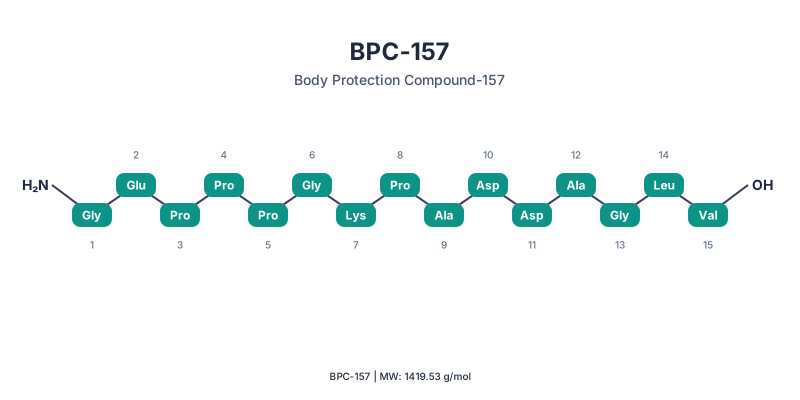
BPC-157 is a pentadecapeptide composed of 15 amino acids. It is a partial sequence of body protection compound (BPC) that is discovered in and isolated from human gastric juice. Research has shown it accelerates the healing of many different wounds, including tendon-to-bone healing and superior healing of damaged ligaments.
Purity
99%+
Molecular Weight
1419.53 g/mol
Administration
Subcutaneous injection near injury site or intramuscular
Storage
Store at -20°C for long-term, 2-8°C for short-term use
Mechanism of Action
BPC-157 works through multiple pathways including upregulation of growth hormone receptors, promotion of angiogenesis (new blood vessel formation), modulation of nitric oxide synthesis, and interaction with the dopaminergic system. It also affects the FAK-paxillin pathway involved in cell migration and tissue repair.
Sequence:
Gly-Glu-Pro-Pro-Pro-Gly-Lys-Pro-Ala-Asp-Asp-Ala-Gly-Leu-Val Chemical Structure
Research Areas
- Tendon and ligament repair
- Gastrointestinal healing
- Muscle injury recovery
- Neuroprotection
- Anti-inflammatory effects
Potential Benefits
- Accelerated wound healing
- Reduced inflammation
- Improved gut health
- Enhanced tendon repair
- Neuroprotective properties
Research Dosing Guidelines
For research purposes only. Not for human consumption.
Typical Dose
250-500 mcg
Frequency
1-2 times daily
Duration
4-12 weeks
Administration
Subcutaneous injection near injury site or intramuscular
For research purposes only. Dosing should be adjusted based on body weight and research objectives.
Reconstitution Calculator
U-100 Insulin Syringe
10.0 units
2500 mcg/ml
0.100 ml
10.0 IU
20
For research and educational purposes only. Always follow proper reconstitution and sterile handling protocols.
Oral vs Injectable BPC-157: Which Route Is Better?
BPC-157 is one of the few peptides studied through both oral and injectable routes, and the research community is split on which approach works better. The answer depends on what you're targeting.
Route Comparison
| Factor | Oral (Capsule) | Injectable (SubQ/IM) |
|---|---|---|
| Best for | Gut healing, systemic inflammation | Localized injuries (tendons, joints, muscles) |
| Bioavailability | Lower systemic, high local GI exposure | High systemic bioavailability |
| Onset | Gradual (days to weeks) | Faster localized response |
| Convenience | No needles required | Requires reconstitution and injection |
| Research support | Strong for GI conditions | Strong for musculoskeletal injuries |
Animal studies demonstrate BPC-157 retains its gastric pentadecapeptide stability in acidic environments, making oral administration viable for GI-targeted protocols. For localized tissue repair, subcutaneous injection near the injury site delivers higher concentrations directly to damaged tissue.
Potential Side Effects
- Generally well-tolerated in research
- Mild nausea (rare)
- Dizziness (rare)
- Injection site reactions
Storage Requirements
Store at -20°C for long-term, 2-8°C for short-term use. Protect from light.
Research References
- [1]BPC 157 and Standard Angiogenic Growth Factors (2018)
Also cited by: 1 other page. View full citation
Emerging Evidence Population: Sprague-Dawley rats with surgically induced woundsBPC-157 demonstrated comparable or superior angiogenic effects to standard growth factors like VEGF and bFGF in multiple wound models.
Limitations: Animal model only; no human equivalent dosing established
- [2]Stable Gastric Pentadecapeptide BPC 157 (2017)Preclinical Population: Preclinical animal models and in-vitro studies
Comprehensive review establishing BPC-157 as a stable gastric pentadecapeptide with broad cytoprotective and healing properties across multiple organ systems.
Limitations: No controlled human clinical trials available
- [3]BPC 157 in Tendon-to-Bone Healing (2010)Emerging Evidence Population: Rat Achilles tendon detachment model
BPC-157 significantly accelerated tendon-to-bone healing with improved biomechanical properties at the repair site.
Limitations: Small sample size; single animal species
Frequently Asked Questions
What is BPC-157?
BPC-157 is a pentadecapeptide composed of 15 amino acids, derived from a partial sequence of Body Protection Compound found in human gastric juice. It has been extensively studied in research settings for its remarkable ability to accelerate wound healing, including tendon-to-bone and ligament repair.
What are the potential research benefits of BPC-157?
Research suggests BPC-157 may accelerate wound healing, reduce inflammation, improve gut health, and provide neuroprotective properties. Its ability to promote angiogenesis and modulate nitric oxide synthesis makes it a subject of significant interest in regenerative medicine research.
How is BPC-157 typically dosed in research?
In research protocols, BPC-157 is typically administered at 250-500 mcg via subcutaneous injection near the injury site, one to two times daily. Research cycles generally last 4-12 weeks, with dosing adjusted based on body weight and research objectives.
What are the side effects of BPC-157?
BPC-157 is generally well-tolerated in research settings with minimal reported adverse effects. Rare side effects may include mild nausea, dizziness, and injection site reactions.
How should BPC-157 be stored?
BPC-157 should be stored at -20°C for long-term preservation and at 2-8°C for short-term use. It should always be protected from light to maintain stability and purity.
Ready to Purchase BPC-157?
Get the highest quality BPC-157 from our recommended vendor with 99%+ purity guaranteed.
Buy at Simple PeptideRelated Topics
Biological Roles of Peptides in Humans
Peptides serve as crucial signaling molecules in the human body, functioning as hormones, neurotransmitters, and immunomodulators that regulate virtually every physiological process.
Therapeutic Applications of Peptides
Therapeutic peptides occupy the pharmacological space between small molecules and biologics, offering high selectivity for protein-protein interactions with lower immunogenicity.
Safety & Reference
Related Peptides
TB-500
Thymosin Beta-4
TB-500 is a synthetic version of the naturally occurring peptide Thymosin Beta-4. It plays a crucial role in tissue repair, regeneration, and protection. TB-500 is known for its ability to promote healing, reduce inflammation, and improve flexibility.
Learn MoreGHK-Cu
Copper Peptide GHK-Cu
GHK-Cu is a naturally occurring copper complex of the tripeptide glycyl-L-histidyl-L-lysine. It has extensive research supporting its role in wound healing, skin regeneration, and anti-aging effects. GHK-Cu levels decline with age, which has led to interest in supplementation.
Learn More