
Thymosin Alpha-1
Thymosin Alpha-1
Thymosin Alpha-1 is a peptide naturally produced by the thymus gland. It plays a crucial role in immune system regulation and has been approved in many countries for treatment of hepatitis B and C, and as an adjunct to cancer therapy.
Purity
99%+
Molecular Weight
3108 g/mol
Administration
Subcutaneous injection
Storage
Store at 2-8°C
Mechanism of Action
Thymosin Alpha-1 enhances T-cell function, promotes T-cell maturation, and modulates cytokine production. It activates dendritic cells, increases natural killer cell activity, and helps restore immune balance in immunocompromised states.
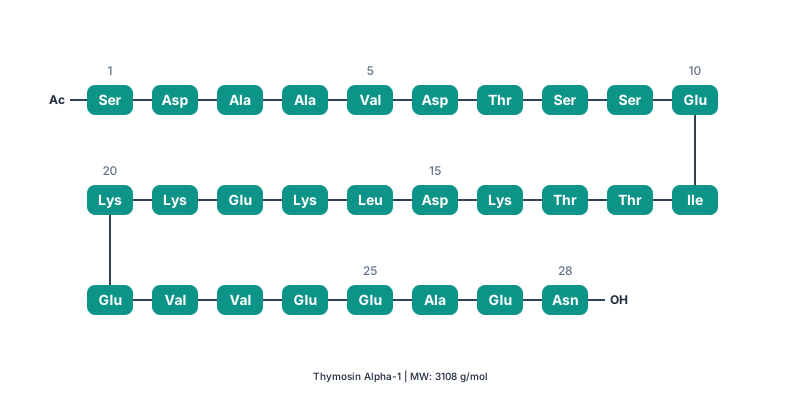
Sequence:
SDAAVDTSSEITTKDLKEKKEVVEEAEN Chemical Structure
Research Areas
- Hepatitis B and C
- Cancer immunotherapy
- Vaccine enhancement
- Immunodeficiency
- Sepsis
Potential Benefits
- Enhanced immune function
- Improved T-cell activity
- Vaccine adjuvant effects
- Antiviral properties
- Cancer support
Research Dosing Guidelines
For research purposes only. Not for human consumption.
Typical Dose
1.6 mg
Frequency
2 times weekly
Duration
6-12 months for chronic conditions
Administration
Subcutaneous injection
Clinical dosing based on approved uses. Research dosing may vary.
Reconstitution Calculator
U-100 Insulin Syringe
0.0 units
2500 mcg/ml
0.0004 ml
0.0 IU
5000
For research and educational purposes only. Always follow proper reconstitution and sterile handling protocols.
Clinical Applications of Thymosin Alpha-1
Thymosin Alpha-1 stands apart from most research peptides because it has achieved regulatory approval in over 35 countries, primarily for hepatitis treatment and immune reconstitution.
Approved and Investigational Uses
| Application | Status | Key Evidence |
|---|---|---|
| Hepatitis B | Approved (multiple countries) | Improved viral clearance and seroconversion rates |
| Hepatitis C | Approved (adjunct therapy) | Enhanced sustained virologic response when combined with IFN |
| Cancer immunotherapy | Investigational | Improved immune response when combined with chemotherapy |
| Vaccine adjuvant | Investigational | Enhanced antibody response in immunocompromised patients |
| Sepsis | Investigational | Reduced mortality in severe sepsis when added to standard care |
Its established clinical safety profile across decades of use in hepatitis treatment makes Thymosin Alpha-1 one of the most evidence-supported immune peptides available for research.
Potential Side Effects
- Injection site reactions
- Transient fever (rare)
- Generally very well tolerated
Storage Requirements
Store at 2-8°C.
Research References
- [1]Thymosin α1 and Immune Response (2021)Preclinical Population: Clinical studies in hepatitis, cancer, and immunodeficiency patients
Thymosin alpha-1 enhanced T-cell differentiation, dendritic cell activation, and natural killer cell cytotoxicity across multiple disease states.
Limitations: Heterogeneous study populations and dosing protocols
- [2]Safety and Efficacy of Thymosin Alpha 1 in Clinical Trials (2024)Strong Evidence Population: Pooled clinical trial data across multiple countries
Systematic review confirmed thymosin alpha-1 as safe and efficacious for hepatitis B treatment and immune reconstitution.
Limitations: Publication bias toward positive results; need for standardized endpoints
Frequently Asked Questions
What is Thymosin Alpha-1?
Thymosin Alpha-1 is a peptide naturally produced by the thymus gland that plays a crucial role in immune system regulation. It has been approved in many countries for the treatment of hepatitis B and C and as an adjunct to cancer immunotherapy.
What are the potential research benefits of Thymosin Alpha-1?
Research indicates Thymosin Alpha-1 may enhance immune function by promoting T-cell maturation, increasing natural killer cell activity, and modulating cytokine production. It also shows promise as a vaccine adjuvant and in supporting immunocompromised states.
How is Thymosin Alpha-1 typically dosed in research?
Thymosin Alpha-1 is typically administered at 1.6 mg via subcutaneous injection twice weekly. For chronic conditions, research protocols may extend for 6-12 months, with dosing based on established clinical guidelines.
What are the side effects of Thymosin Alpha-1?
Thymosin Alpha-1 is generally very well tolerated in research and clinical settings. Potential side effects are minimal and may include injection site reactions and rare transient fever.
How should Thymosin Alpha-1 be stored?
Thymosin Alpha-1 should be stored at 2-8°C to maintain its biological activity and stability. Standard cold chain storage practices should be followed to ensure optimal peptide integrity.
Ready to Purchase Thymosin Alpha-1?
Get the highest quality Thymosin Alpha-1 from our recommended vendor with 99%+ purity guaranteed.
Buy at Simple PeptideRelated Topics
Therapeutic Applications of Peptides
Therapeutic peptides occupy the pharmacological space between small molecules and biologics, offering high selectivity for protein-protein interactions with lower immunogenicity.
Antimicrobial Peptides and Host Defense
AMPs are evolutionarily ancient components of innate immunity, typically 12-50 amino acids, that kill pathogens through membrane disruption and serve as immunomodulators.
Safety & Reference
Related Peptides
BPC-157
Body Protection Compound-157
BPC-157 is a pentadecapeptide composed of 15 amino acids. It is a partial sequence of body protection compound (BPC) that is discovered in and isolated from human gastric juice. Research has shown it accelerates the healing of many different wounds, including tendon-to-bone healing and superior healing of damaged ligaments.
Learn MoreLL-37
Cathelicidin Antimicrobial Peptide LL-37
LL-37 is the only cathelicidin-derived antimicrobial peptide found in humans. It is a 37-amino-acid peptide cleaved from the C-terminal end of the human cathelicidin protein hCAP18. LL-37 plays a central role in innate immune defense against bacterial, viral, and fungal infections.
Learn More