
Tirzepatide
Tirzepatide
Tirzepatide is a dual GIP and GLP-1 receptor agonist, representing a new class of medications for metabolic conditions. It has shown remarkable efficacy in weight loss and glycemic control studies, often surpassing the results of single-receptor agonists.
Purity
99%+
Molecular Weight
4813.45 g/mol
Administration
Subcutaneous injection
Storage
Store at 2-8°C
Mechanism of Action
Tirzepatide activates both GIP (glucose-dependent insulinotropic polypeptide) and GLP-1 receptors. This dual action enhances insulin secretion, reduces glucagon, slows gastric emptying, and reduces appetite through central nervous system effects.
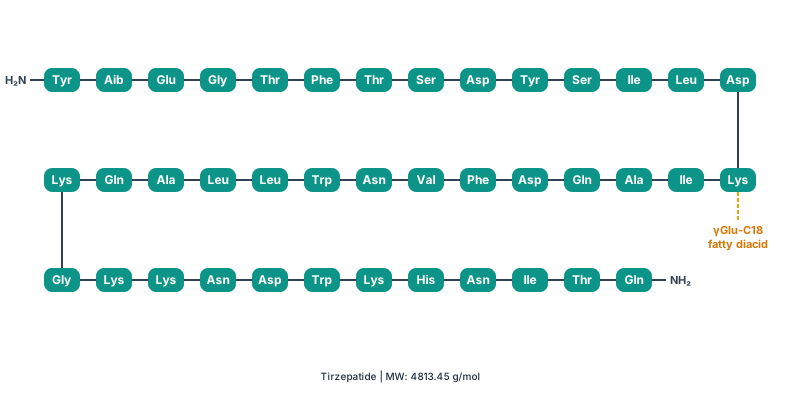
Sequence:
Tyr-Aib-Glu-Gly-Thr-Phe-Thr-Ser-Asp-Tyr-Ser-Ile-Leu-Asp-Lys(γGlu-C18 fatty diacid)-Ile-Ala-Gln-Asp-Phe-Val-Asn-Trp-Leu-Leu-Ala-Gln-Lys-Gly-Lys-Lys-Asn-Asp-Trp-Lys-His-Asn-Ile-Thr-Gln Chemical Structure
Research Areas
- Obesity treatment
- Type 2 diabetes
- Metabolic health
- Cardiovascular outcomes
- NASH/liver health
Potential Benefits
- Superior weight loss
- Excellent glycemic control
- Reduced cardiovascular risk factors
- Improved metabolic markers
- Potential liver benefits
Research Dosing Guidelines
For research purposes only. Not for human consumption.
Typical Dose
2.5-15 mg
Frequency
Once weekly
Duration
Ongoing as needed
Administration
Subcutaneous injection
Requires careful dose titration starting at 2.5mg. Increase dose every 4 weeks as tolerated.
Reconstitution Calculator
U-100 Insulin Syringe
0.1 units
2500 mcg/ml
0.0008 ml
0.1 IU
2500
For research and educational purposes only. Always follow proper reconstitution and sterile handling protocols.
Understanding Dual GIP/GLP-1 Agonism
Tirzepatide's dual-agonist mechanism represents a paradigm shift in metabolic peptide therapy. Here is why targeting both receptors matters.
Single vs Dual Receptor Targeting
| Pathway | GLP-1 Agonism (alone) | GIP + GLP-1 Agonism (Tirzepatide) |
|---|---|---|
| Appetite suppression | Strong | Strong (additive) |
| Insulin secretion | Glucose-dependent increase | Enhanced glucose-dependent increase |
| Fat tissue effects | Indirect via calorie reduction | Direct adipose tissue remodeling via GIP |
| Gastric emptying | Significantly delayed | Delayed (modulated by GIP) |
| Weight loss magnitude | 10-17% | 15-22% |
The GIP receptor contribution appears to enhance fat metabolism directly at the adipose tissue level, producing weight loss beyond what appetite suppression alone achieves. This makes tirzepatide particularly effective for subjects with metabolic syndrome and insulin resistance.
Potential Side Effects
- Nausea
- Diarrhea
- Decreased appetite
- Vomiting
- Constipation
- Injection site reactions
Storage Requirements
Store at 2-8°C. Do not freeze.
Research References
- [1]Tirzepatide Once Weekly for Treatment of Obesity (2022)Strong Evidence Population: Adults with obesity without diabetes (n=2,539)
Tirzepatide at 15mg produced 22.5% mean body weight reduction over 72 weeks, exceeding all prior GLP-1 results.
Limitations: Significant GI adverse events; long-term cardiovascular outcomes pending
- [2]Tirzepatide for the Treatment of Obesity: SURMOUNT Program (2022)Strong Evidence Population: Adults with BMI ≥30 or ≥27 with comorbidities (n=2,539)
The SURMOUNT program demonstrated dose-dependent weight loss of 15-22.5% across multiple dose levels of tirzepatide.
Limitations: 72-week follow-up; weight regain upon discontinuation observed
Frequently Asked Questions
What is Tirzepatide?
Tirzepatide is a dual GIP and GLP-1 receptor agonist representing a new class of peptides for metabolic research. It has shown remarkable efficacy in weight loss and glycemic control studies, often surpassing the results of single-receptor agonists.
What are the potential research benefits of Tirzepatide?
Research indicates Tirzepatide may produce superior weight loss, excellent glycemic control, reduced cardiovascular risk factors, and improved metabolic markers. Its dual receptor action on both GIP and GLP-1 pathways provides enhanced metabolic benefits compared to single-target agents.
How is Tirzepatide typically dosed in research?
Tirzepatide is administered at 2.5-15 mg once weekly via subcutaneous injection. It requires careful dose titration starting at 2.5 mg, with increases every four weeks as tolerated to minimize gastrointestinal side effects.
What are the side effects of Tirzepatide?
Side effects of Tirzepatide may include nausea, diarrhea, decreased appetite, vomiting, constipation, and injection site reactions. Careful dose titration helps minimize the severity and frequency of these gastrointestinal effects.
How should Tirzepatide be stored?
Tirzepatide should be stored at 2-8°C and must not be frozen. Proper cold chain storage is essential to maintain the peptide's stability and efficacy.
Ready to Purchase Tirzepatide?
Get the highest quality Tirzepatide from our recommended vendor with 99%+ purity guaranteed.
Buy at Simple PeptideRelated Topics
Peptide Hormones and Their Functions
Peptide hormones are hydrophilic signaling molecules that bind cell surface receptors, triggering intracellular cascades via second messengers like cAMP and calcium.
Peptide-Drug Conjugates (PDCs)
PDCs combine targeting peptides with cytotoxic payloads to deliver drugs specifically to diseased cells, occupying a niche between small molecules and antibody-drug conjugates.
Safety & Reference
Related Peptides
Semaglutide
Semaglutide Acetate
Semaglutide is a GLP-1 receptor agonist that mimics the effects of the naturally occurring hormone GLP-1. It has gained significant attention for its powerful effects on appetite regulation and blood sugar control, leading to substantial weight loss in research subjects.
Learn MoreAOD-9604
Advanced Obesity Drug 9604
AOD-9604 is a modified fragment of human growth hormone (HGH) specifically designed to have the fat-reducing effects of HGH without the negative side effects on blood sugar or growth. It corresponds to the C-terminal portion of HGH.
Learn MoreTesamorelin
Tesamorelin Acetate
Tesamorelin is a synthetic form of growth hormone-releasing hormone (GHRH). It is FDA-approved for reducing excess abdominal fat in HIV patients with lipodystrophy. It has become of interest for its ability to reduce visceral adipose tissue.
Learn More