
Semaglutide
Semaglutide Acetate
Semaglutide is a GLP-1 receptor agonist that mimics the effects of the naturally occurring hormone GLP-1. It has gained significant attention for its powerful effects on appetite regulation and blood sugar control, leading to substantial weight loss in research subjects.
Purity
99%+
Molecular Weight
4113.58 g/mol
Administration
Subcutaneous injection
Storage
Store at 2-8°C
Mechanism of Action
Semaglutide activates GLP-1 receptors in the brain and pancreas. In the brain, it reduces appetite and increases satiety. In the pancreas, it enhances insulin secretion in a glucose-dependent manner while suppressing glucagon release.
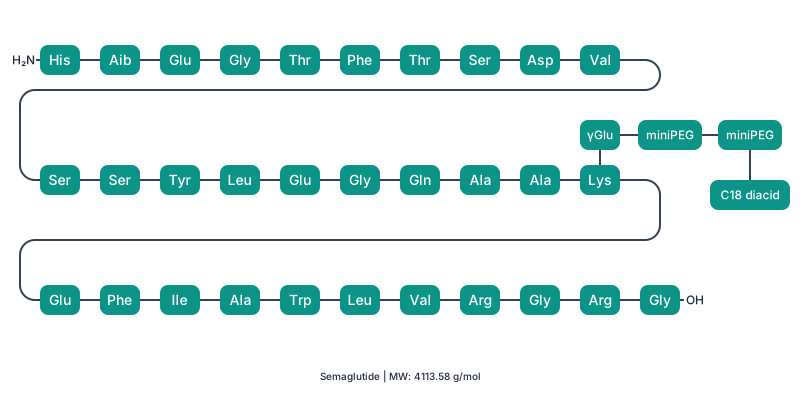
Sequence:
His-Aib-Glu-Gly-Thr-Phe-Thr-Ser-Asp-Val-Ser-Ser-Tyr-Leu-Glu-Gly-Gln-Ala-Ala-Lys(γGlu-miniPEG-miniPEG-C18 diacid)-Glu-Phe-Ile-Ala-Trp-Leu-Val-Arg-Gly-Arg-Gly Chemical Structure
Research Areas
- Obesity research
- Type 2 diabetes
- Cardiovascular health
- Appetite regulation
- Metabolic syndrome
Potential Benefits
- Significant weight loss
- Reduced appetite
- Improved blood sugar control
- Cardiovascular benefits
- Reduced food cravings
Research Dosing Guidelines
For research purposes only. Not for human consumption.
Typical Dose
0.25-2.4 mg
Frequency
Once weekly
Duration
Ongoing as needed
Administration
Subcutaneous injection
Start with low dose and gradually increase to minimize GI side effects. Titration schedule is important.
Reconstitution Calculator
U-100 Insulin Syringe
For research and educational purposes only. Always follow proper reconstitution and sterile handling protocols.
Semaglutide vs Tirzepatide: The Weight Loss Showdown
Semaglutide and tirzepatide are the two dominant GLP-1-class peptides for weight management. Here is how they compare based on published clinical trial data.
Clinical Comparison
| Factor | Semaglutide (Wegovy) | Tirzepatide (Mounjaro) |
|---|---|---|
| Receptor targets | GLP-1 only | GLP-1 + GIP (dual) |
| Average weight loss | ~15% at 68 weeks | ~22% at 72 weeks |
| Dosing | Up to 2.4 mg weekly | Up to 15 mg weekly |
| FDA status | Approved for obesity and T2D | Approved for T2D; obesity approval varies |
| GI side effects | Common (nausea, vomiting) | Common (similar profile) |
| Cost | High | High |
Tirzepatide's dual-receptor mechanism consistently produces greater weight loss in head-to-head comparisons. However, semaglutide has a longer safety track record and broader regulatory approval. The choice depends on individual response, tolerance, and clinical context.
Potential Side Effects
- Nausea (common initially)
- Vomiting
- Diarrhea
- Constipation
- Abdominal pain
Storage Requirements
Store at 2-8°C. Do not freeze. Protect from light.
Research References
- [1]Semaglutide for Weight Management (2021)Strong Evidence Population: Adults with BMI ≥30 or ≥27 with comorbidities (n=1,961)
Semaglutide 2.4mg weekly produced 14.9% mean body weight reduction versus 2.4% with placebo over 68 weeks.
Limitations: High dropout rate; GI side effects may unblind participants
- [2]Efficacy and Safety of Semaglutide: Evidence from the STEP Program (2023)Strong Evidence Population: Pooled analysis of STEP 1-5 trials (n>5,000)
Meta-analysis of STEP trials confirmed consistent 10-17% weight loss across diverse populations with semaglutide 2.4mg.
Limitations: Industry-sponsored trials; weight regain after discontinuation not fully studied
Frequently Asked Questions
What is Semaglutide?
Semaglutide is a GLP-1 receptor agonist that mimics the effects of the naturally occurring glucagon-like peptide-1 hormone. It has gained significant research attention for its powerful effects on appetite regulation and blood sugar control, leading to substantial weight loss in clinical studies.
What are the potential research benefits of Semaglutide?
Research has demonstrated Semaglutide may produce significant weight loss, reduce appetite and food cravings, improve blood sugar control, and provide cardiovascular benefits. It works by activating GLP-1 receptors in both the brain and pancreas to regulate metabolic function.
How is Semaglutide typically dosed in research?
Semaglutide is administered at 0.25-2.4 mg once weekly via subcutaneous injection. Dosing should start low and gradually increase to minimize gastrointestinal side effects, with a careful titration schedule being important for optimal outcomes.
What are the side effects of Semaglutide?
Common side effects of Semaglutide include nausea (especially during initial use), vomiting, diarrhea, constipation, and abdominal pain. These gastrointestinal effects typically diminish over time as tolerance develops.
How should Semaglutide be stored?
Semaglutide should be stored at 2-8°C and must not be frozen. It should be protected from light to maintain its stability and efficacy.
Ready to Purchase Semaglutide?
Get the highest quality Semaglutide from our recommended vendor with 99%+ purity guaranteed.
Buy at Simple PeptideRelated Topics
Peptide Hormones and Their Functions
Peptide hormones are hydrophilic signaling molecules that bind cell surface receptors, triggering intracellular cascades via second messengers like cAMP and calcium.
Peptide-Drug Conjugates (PDCs)
PDCs combine targeting peptides with cytotoxic payloads to deliver drugs specifically to diseased cells, occupying a niche between small molecules and antibody-drug conjugates.
Safety & Reference
Related Peptides
Tirzepatide
Tirzepatide
Tirzepatide is a dual GIP and GLP-1 receptor agonist, representing a new class of medications for metabolic conditions. It has shown remarkable efficacy in weight loss and glycemic control studies, often surpassing the results of single-receptor agonists.
Learn MoreAOD-9604
Advanced Obesity Drug 9604
AOD-9604 is a modified fragment of human growth hormone (HGH) specifically designed to have the fat-reducing effects of HGH without the negative side effects on blood sugar or growth. It corresponds to the C-terminal portion of HGH.
Learn MoreTesamorelin
Tesamorelin Acetate
Tesamorelin is a synthetic form of growth hormone-releasing hormone (GHRH). It is FDA-approved for reducing excess abdominal fat in HIV patients with lipodystrophy. It has become of interest for its ability to reduce visceral adipose tissue.
Learn More