GHK-Cu
Copper Peptide GHK-Cu
GHK-Cu is a naturally occurring copper complex of the tripeptide glycyl-L-histidyl-L-lysine. It has extensive research supporting its role in wound healing, skin regeneration, and anti-aging effects. GHK-Cu levels decline with age, which has led to interest in supplementation.
Purity
99%+
Molecular Weight
403.92 g/mol
Administration
Subcutaneous injection or topical cream/serum
Storage
Store at 2-8°C
Mechanism of Action
GHK-Cu modulates copper metabolism and activates wound healing mechanisms. It stimulates collagen and elastin synthesis, promotes angiogenesis, has anti-inflammatory effects, and activates genes associated with tissue remodeling and stem cell activity.
Sequence:
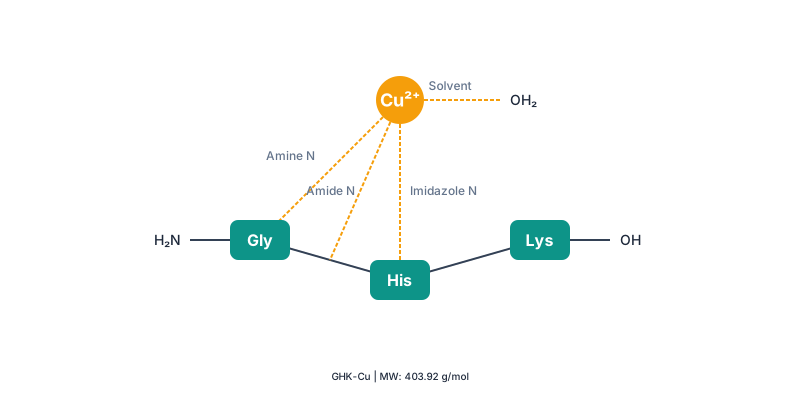
Gly-His-Lys-Cu
Chemical Structure
Interactive 3D
Loading 3D structure...
2D Structure Reference
Research Areas
- Skin aging
- Wound healing
- Hair growth
- Antioxidant effects
- Tissue regeneration
Potential Benefits
- Improved skin elasticity
- Reduced wrinkles
- Enhanced wound healing
- Hair follicle stimulation
- Anti-inflammatory effects
Research Dosing Guidelines
For research purposes only. Not for human consumption.
Typical Dose
1-2 mg (injection) or topical application
Frequency
Daily (topical) or 2-3 times weekly (injection)
Duration
8-12 weeks
Administration
Subcutaneous injection or topical cream/serum
Often used topically in skincare products. Injectable form for research purposes.
Reconstitution Calculator
U-100 Insulin Syringe
0.0 units
2500 mcg/ml
0.0004 ml
0.0 IU
5000
For research and educational purposes only. Always follow proper reconstitution and sterile handling protocols.
Topical vs Injectable GHK-Cu: Application Guide
GHK-Cu is unique among peptides because it is effective through both topical and injectable routes. The optimal approach depends on your research target.
Route Comparison
| Factor | Topical (Cream/Serum) | Injectable (SubQ) |
|---|---|---|
| Best for | Skin aging, wrinkles, hair follicles | Systemic tissue remodeling, wound healing |
| Concentration | 0.1-2% in carrier base | 1-2 mg per injection |
| Frequency | Daily application | 2-3x weekly |
| Penetration | Dermal layers only | Full systemic distribution |
| Evidence base | Strong for dermal outcomes | Strong for systemic gene activation |
| Convenience | Non-invasive, easy to use | Requires reconstitution and injection |
Topical GHK-Cu is well-established in cosmetic research for stimulating collagen and elastin synthesis in the skin. Injectable GHK-Cu is preferred when researchers target systemic gene expression changes across multiple organ systems.
Potential Side Effects
- Generally very well tolerated
- Mild skin irritation (topical)
- Injection site reactions
Storage Requirements
Store at 2-8°C. Protect from light.
Research References
- [1]GHK Peptide as a Natural Modulator of Multiple Cellular Pathways (2015)Preclinical Population: In-vitro human cell cultures and gene expression databases
GHK-Cu activates over 4,000 human genes involved in tissue remodeling, antioxidant defense, and stem cell activity.
Limitations: Gene expression changes may not translate directly to clinical outcomes
- [2]The Human Tripeptide GHK and Tissue Remodeling (2008)Preclinical Population: In-vitro fibroblast and wound healing models
GHK stimulates collagen, elastin, and glycosaminoglycan synthesis while attracting immune cells to wound sites.
Limitations: Primarily in-vitro evidence; limited in-vivo human data
Frequently Asked Questions
What is GHK-Cu?
GHK-Cu is a naturally occurring copper complex of the tripeptide glycyl-L-histidyl-L-lysine with extensive research supporting its role in wound healing, skin regeneration, and anti-aging. GHK-Cu levels naturally decline with age, which has spurred significant interest in its supplementation for research purposes.
What are the potential research benefits of GHK-Cu?
Research suggests GHK-Cu may improve skin elasticity, reduce wrinkles, enhance wound healing, and stimulate hair follicle growth. It achieves these effects by stimulating collagen and elastin synthesis, promoting angiogenesis, and activating genes associated with tissue remodeling.
How is GHK-Cu typically dosed in research?
GHK-Cu is typically used at 1-2 mg via subcutaneous injection two to three times weekly, or applied topically in cream or serum form daily. Research cycles generally span 8-12 weeks, with topical application being the most common route.
What are the side effects of GHK-Cu?
GHK-Cu is generally very well tolerated in research settings. Potential side effects are minimal and may include mild skin irritation with topical use and injection site reactions with injectable administration.
How should GHK-Cu be stored?
GHK-Cu should be stored at 2-8°C and protected from light to preserve its copper-peptide complex integrity. Proper storage conditions are essential for maintaining its purity and biological activity.
Ready to Purchase GHK-Cu?
Get the highest quality GHK-Cu from our recommended vendor with 99%+ purity guaranteed.
Buy at Simple PeptideRelated Topics
Biological Roles of Peptides in Humans
Peptides serve as crucial signaling molecules in the human body, functioning as hormones, neurotransmitters, and immunomodulators that regulate virtually every physiological process.
Strategies for Peptide Stabilization
Peptide stabilization addresses the natural fragility of peptides through chemical modifications and structural constraints to create viable therapeutics.
Safety & Reference
Related Peptides
BPC-157
Body Protection Compound-157
BPC-157 is a pentadecapeptide composed of 15 amino acids. It is a partial sequence of body protection compound (BPC) that is discovered in and isolated from human gastric juice. Research has shown it accelerates the healing of many different wounds, including tendon-to-bone healing and superior healing of damaged ligaments.
Learn MoreEpithalon
Epithalon (Epitalon)
Epithalon is a synthetic tetrapeptide based on the natural peptide epithalamin, which is produced by the pineal gland. It has been extensively researched for its ability to activate telomerase and potentially extend lifespan in animal models.
Learn More