Epithalon
Epithalon (Epitalon)
Epithalon is a synthetic tetrapeptide based on the natural peptide epithalamin, which is produced by the pineal gland. It has been extensively researched for its ability to activate telomerase and potentially extend lifespan in animal models.
Purity
99%+
Molecular Weight
390.35 g/mol
Administration
Subcutaneous or intramuscular injection
Storage
Store at -20°C lyophilized
Mechanism of Action
Epithalon activates telomerase, the enzyme responsible for maintaining and elongating telomeres. It also regulates melatonin production, has antioxidant effects, and may influence the expression of genes related to aging and longevity.
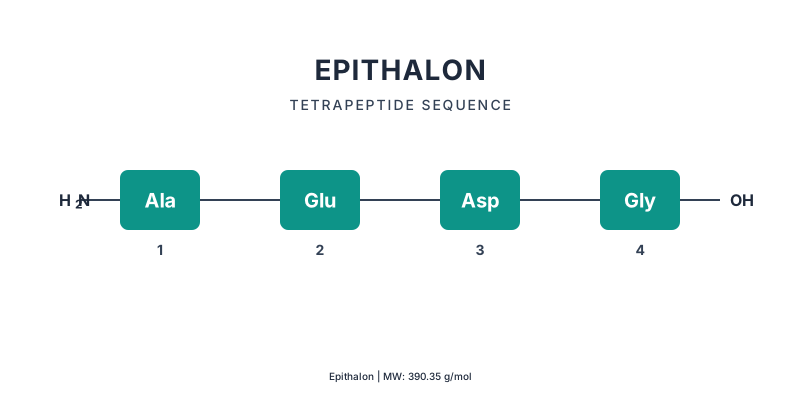
Sequence:
Ala-Glu-Asp-Gly
Chemical Structure
Interactive 3D
Loading 3D structure...
2D Structure Reference
Research Areas
- Telomere biology
- Anti-aging research
- Circadian rhythm
- Cancer prevention
- Longevity
Potential Benefits
- Telomerase activation
- Improved sleep quality
- Antioxidant effects
- Potential lifespan extension
- Circadian rhythm regulation
Research Dosing Guidelines
For research purposes only. Not for human consumption.
Typical Dose
5-10 mg
Frequency
Once daily
Duration
10-20 days, 2-3 times per year
Administration
Subcutaneous or intramuscular injection
Typically administered in cycles. Research suggests periodic use rather than continuous.
Reconstitution Calculator
U-100 Insulin Syringe
0.2 units
2500 mcg/ml
0.0020 ml
0.2 IU
1000
For research and educational purposes only. Always follow proper reconstitution and sterile handling protocols.
Telomerase Activation: What the Research Actually Shows
Epithalon's primary claim to fame is telomerase activation, but understanding what this means in practice requires careful examination of the evidence.
Evidence Summary
| Claim | Evidence Level | Key Finding |
|---|---|---|
| Telomerase activation | Strong (in-vitro and animal) | Restored telomerase activity in aged human fibroblasts and rat tissues |
| Lifespan extension | Moderate (animal only) | 13% lifespan increase in aging rat models |
| Melatonin regulation | Moderate (animal) | Normalized melatonin secretion in aged pineal glands |
| Cancer risk | Preliminary (mixed) | No tumor promotion observed; some anti-cancer properties noted |
| Human longevity | Very limited | No controlled human lifespan studies completed |
While the telomerase activation data is compelling, the leap from cellular-level telomere elongation to whole-organism life extension in humans remains unproven. Epithalon shows consistent promise in preclinical settings but lacks the human trial data that would confirm translational benefit.
Potential Side Effects
- Injection site reactions
- Generally very well tolerated
- Vivid dreams (related to melatonin effects)
Storage Requirements
Store at -20°C lyophilized. Reconstituted at 2-8°C.
Research References
- [1]Peptide Bioregulation of Aging (2004)Preclinical Population: Aged rats and human cell cultures
Epithalon administration increased telomerase activity and extended lifespan by 13% in aging animal models.
Limitations: Primarily Russian research; limited independent replication
- [2]Epithalon Activates Chromatin at Old Age (2003)Emerging Evidence Population: Aged Wistar rats (24 months)
Epithalon treatment restored heterochromatin condensation patterns in aged rats to levels resembling younger animals.
Limitations: Single animal model; chromatin changes may not indicate functional rejuvenation
Frequently Asked Questions
What is Epithalon?
Epithalon is a synthetic tetrapeptide based on the natural peptide epithalamin produced by the pineal gland. It has been extensively researched for its ability to activate telomerase and potentially extend lifespan in animal models.
What are the potential research benefits of Epithalon?
Research suggests Epithalon may activate telomerase to maintain and elongate telomeres, improve sleep quality, provide antioxidant effects, and regulate circadian rhythms. These properties have made it a key focus in anti-aging and longevity research.
How is Epithalon typically dosed in research?
Epithalon is typically administered at 5-10 mg once daily via subcutaneous or intramuscular injection. Research protocols generally involve cycles of 10-20 days, repeated two to three times per year rather than continuous administration.
What are the side effects of Epithalon?
Epithalon is generally very well tolerated in research settings. Potential side effects include injection site reactions and vivid dreams, the latter likely related to its effects on melatonin production.
How should Epithalon be stored?
Epithalon should be stored at -20°C in lyophilized form for long-term preservation. Once reconstituted, the solution should be kept at 2-8°C and used within a reasonable timeframe.
Ready to Purchase Epithalon?
Get the highest quality Epithalon from our recommended vendor with 99%+ purity guaranteed.
Buy at Simple PeptideRelated Topics
Biological Roles of Peptides in Humans
Peptides serve as crucial signaling molecules in the human body, functioning as hormones, neurotransmitters, and immunomodulators that regulate virtually every physiological process.
Strategies for Peptide Stabilization
Peptide stabilization addresses the natural fragility of peptides through chemical modifications and structural constraints to create viable therapeutics.
Safety & Reference
Related Peptides
GHK-Cu
Copper Peptide GHK-Cu
GHK-Cu is a naturally occurring copper complex of the tripeptide glycyl-L-histidyl-L-lysine. It has extensive research supporting its role in wound healing, skin regeneration, and anti-aging effects. GHK-Cu levels decline with age, which has led to interest in supplementation.
Learn MoreThymosin Alpha-1
Thymosin Alpha-1
Thymosin Alpha-1 is a peptide naturally produced by the thymus gland. It plays a crucial role in immune system regulation and has been approved in many countries for treatment of hepatitis B and C, and as an adjunct to cancer therapy.
Learn More