
Follistatin
Follistatin 344
Follistatin is a glycoprotein that inhibits myostatin, a protein that limits muscle growth. By blocking myostatin, follistatin may allow for increased muscle development. It has generated significant interest in muscle-wasting conditions research.
Purity
99%+
Molecular Weight
~36 kDa (protein)
Administration
Subcutaneous injection
Storage
Store at -20°C
Mechanism of Action
Follistatin binds to and neutralizes members of the TGF-β superfamily, particularly myostatin and activin. By inhibiting these negative regulators of muscle growth, follistatin creates an environment favorable for muscle hypertrophy.
Sequence:
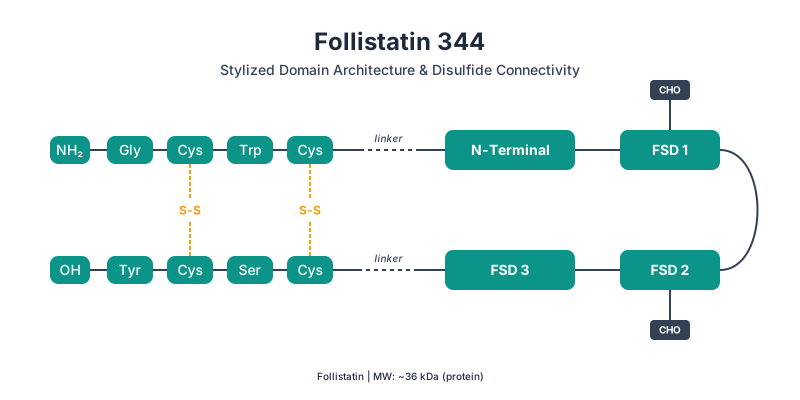
N/A (315 amino acid glycoprotein — too large to display as linear sequence) Chemical Structure
Research Areas
- Muscular dystrophy
- Muscle wasting
- Sarcopenia
- Athletic performance
- Regenerative medicine
Potential Benefits
- Myostatin inhibition
- Enhanced muscle growth
- Potential for muscle diseases
- Improved strength
- Research applications
Research Dosing Guidelines
For research purposes only. Not for human consumption.
Typical Dose
100-300 mcg
Frequency
Once daily
Duration
10-30 days
Administration
Subcutaneous injection
Research peptide with limited human data. Typically used in short cycles.
Reconstitution Calculator
U-100 Insulin Syringe
20.0 units
500 mcg/ml
0.200 ml
20.0 IU
10
For research and educational purposes only. Always follow proper reconstitution and sterile handling protocols.
Myostatin Inhibition Strategies: Follistatin in Context
Follistatin is the most potent natural myostatin inhibitor, but it's not the only approach to targeting this muscle-growth limiter. Understanding the landscape helps researchers choose the right tool.
Myostatin Inhibition Approaches
| Approach | Mechanism | Evidence Level | Availability |
|---|---|---|---|
| Follistatin 344 | Binds and neutralizes myostatin + activin | Strong preclinical | Research peptide |
| Follistatin gene therapy | AAV-delivered follistatin overexpression | Phase I/II clinical | Experimental only |
| Anti-myostatin antibodies | Monoclonal antibody blockade | Phase II/III clinical | Clinical trials |
| Myostatin propeptide | Natural inhibitor fragment | Preclinical | Limited availability |
| ACE-031 / Bimagrumab | ActRIIB decoy receptor | Phase II clinical | Discontinued/experimental |
Follistatin's advantage is its natural origin and dual inhibition of both myostatin and activin. Its limitation is protein fragility and the lack of controlled human dosing data for the injectable research peptide form.
Potential Side Effects
- Limited human data
- Injection site reactions
- Theoretical concerns about uncontrolled growth
Storage Requirements
Store at -20°C. Very fragile - avoid freeze-thaw cycles.
Research References
- [1]Follistatin and Muscle Regulation (2010)Emerging Evidence Population: Transgenic mice with follistatin overexpression
Follistatin overexpression produced dramatic increases in skeletal muscle mass through myostatin and activin inhibition.
Limitations: Gene therapy model; does not reflect exogenous peptide administration
- [2]Inhibition of Myostatin with Emphasis on Follistatin (2009)Preclinical Population: Preclinical animal models and in-vitro studies
Follistatin is the most potent natural myostatin inhibitor, capable of driving muscle growth even in myostatin-knockout models.
Limitations: No human clinical data for exogenous follistatin administration
Frequently Asked Questions
What is Follistatin?
Follistatin is a glycoprotein that inhibits myostatin, a protein that naturally limits muscle growth, by binding to members of the TGF-β superfamily. It has generated significant research interest for its potential role in muscle-wasting conditions and regenerative medicine.
What are the potential research benefits of Follistatin?
Research suggests Follistatin may promote enhanced muscle growth by inhibiting myostatin and activin, creating an environment favorable for muscle hypertrophy. It shows particular promise in research related to muscular dystrophy, sarcopenia, and age-related muscle loss.
How is Follistatin typically dosed in research?
Follistatin is typically administered at 100-300 mcg once daily via subcutaneous injection. Research cycles are generally short, lasting 10-30 days, due to the limited availability of human dosing data for this research peptide.
What are the side effects of Follistatin?
There is limited human safety data available for Follistatin. Known potential side effects include injection site reactions, and there are theoretical concerns about uncontrolled tissue growth with prolonged use.
How should Follistatin be stored?
Follistatin should be stored at -20°C in lyophilized form and is considered very fragile. Repeated freeze-thaw cycles should be strictly avoided to prevent degradation of this large glycoprotein.
Ready to Purchase Follistatin?
Get the highest quality Follistatin from our recommended vendor with 99%+ purity guaranteed.
Buy at Simple PeptideRelated Topics
Biological Roles of Peptides in Humans
Peptides serve as crucial signaling molecules in the human body, functioning as hormones, neurotransmitters, and immunomodulators that regulate virtually every physiological process.
Recombinant Peptide Production
Recombinant production uses biological hosts to synthesize peptides, offering advantages for sequences over 50 amino acids or requiring complex disulfide formation.
Safety & Reference
Related Peptides
BPC-157
Body Protection Compound-157
BPC-157 is a pentadecapeptide composed of 15 amino acids. It is a partial sequence of body protection compound (BPC) that is discovered in and isolated from human gastric juice. Research has shown it accelerates the healing of many different wounds, including tendon-to-bone healing and superior healing of damaged ligaments.
Learn MoreTB-500
Thymosin Beta-4
TB-500 is a synthetic version of the naturally occurring peptide Thymosin Beta-4. It plays a crucial role in tissue repair, regeneration, and protection. TB-500 is known for its ability to promote healing, reduce inflammation, and improve flexibility.
Learn More