PT-141
Bremelanotide (PT-141)
PT-141, also known as Bremelanotide, is a synthetic peptide analog of alpha-melanocyte stimulating hormone. It was initially developed for tanning effects but showed significant effects on sexual function through direct CNS pathways rather than vascular mechanisms.
Purity
99%+
Molecular Weight
1025.18 g/mol
Administration
Subcutaneous injection or nasal spray
Storage
Store at -20°C
Mechanism of Action
PT-141 activates melanocortin receptors (particularly MC3R and MC4R) in the central nervous system. Unlike other sexual dysfunction treatments that work through vascular mechanisms, PT-141 works through the nervous system to enhance sexual desire and arousal.
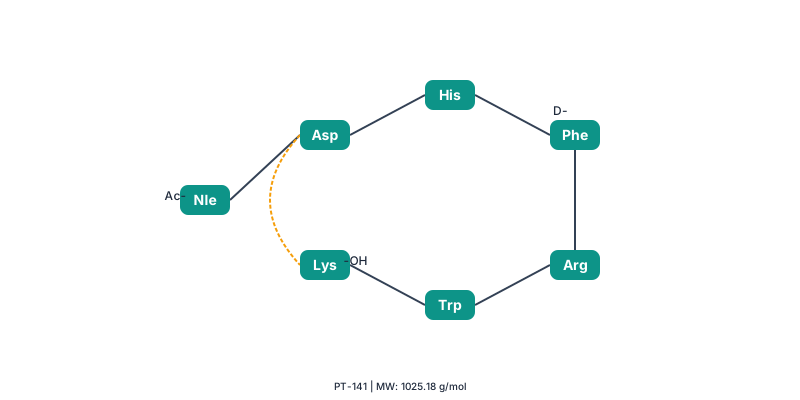
Sequence:
Ac-Nle-cyclo[Asp-His-D-Phe-Arg-Trp-Lys]-OH Chemical Structure
Research Areas
- Sexual dysfunction
- Hypoactive sexual desire
- Melanocortin system
- Erectile dysfunction
- Female sexual arousal disorder
Potential Benefits
- Enhanced sexual desire
- Improved arousal
- Works through CNS (not vascular)
- Effective in both sexes
- Novel mechanism of action
Research Dosing Guidelines
For research purposes only. Not for human consumption.
Typical Dose
1-2 mg
Frequency
As needed, 45 minutes before activity
Duration
As needed
Administration
Subcutaneous injection or nasal spray
Do not use more than 8 times per month. Start with lower dose to assess tolerance.
Reconstitution Calculator
U-100 Insulin Syringe
0.0 units
2500 mcg/ml
0.0004 ml
0.0 IU
5000
For research and educational purposes only. Always follow proper reconstitution and sterile handling protocols.
CNS vs Vascular: How PT-141 Differs from Traditional Approaches
PT-141 represents a fundamentally different approach to sexual dysfunction research compared to PDE5 inhibitors, operating through central nervous system pathways rather than peripheral vasodilation.
Mechanism Comparison
| Factor | PT-141 (Bremelanotide) | PDE5 Inhibitors (Sildenafil, etc.) |
|---|---|---|
| Target | MC3R/MC4R in CNS | PDE5 enzyme in vascular smooth muscle |
| Primary effect | Increases desire and arousal | Increases blood flow |
| Works in women? | Yes (FDA-approved for HSDD) | Limited efficacy |
| Requires arousal? | No — initiates desire | Yes — facilitates response |
| Administration | SubQ injection | Oral tablet |
| Onset | ~45 minutes | 30-60 minutes |
The CNS mechanism makes PT-141 uniquely effective for desire-based dysfunction where vascular approaches fail, particularly in premenopausal women with hypoactive sexual desire disorder.
Potential Side Effects
- Nausea (common)
- Flushing
- Headache
- Transient hypertension
- Skin darkening with repeated use
Storage Requirements
Store at -20°C. Reconstituted at 2-8°C.
Research References
- [1]Bremelanotide for Sexual Dysfunction (2019)Strong Evidence Population: Premenopausal women with HSDD (n=1,247)
Bremelanotide significantly increased sexual desire and reduced distress in premenopausal women with hypoactive sexual desire disorder.
Limitations: Nausea affected 40% of participants; long-term safety data limited
- [2]Melanocortins in Treatment of Sexual Dysfunction (2007)Preclinical Population: Review of preclinical and early clinical studies
Melanocortin receptor agonists demonstrated efficacy in both male and female sexual dysfunction through central nervous system pathways.
Limitations: Early-stage evidence; optimal dosing and patient selection not established
Frequently Asked Questions
What is PT-141?
PT-141, also known as Bremelanotide, is a synthetic peptide analog of alpha-melanocyte stimulating hormone. Unlike other treatments that work through vascular mechanisms, PT-141 acts through central nervous system melanocortin receptors to influence sexual desire and arousal.
What are the potential research benefits of PT-141?
Research indicates PT-141 may enhance sexual desire and improve arousal through activation of MC3R and MC4R melanocortin receptors in the central nervous system. Its unique mechanism of action makes it effective in research models of both male and female sexual dysfunction.
How is PT-141 typically dosed in research?
PT-141 is typically administered at 1-2 mg via subcutaneous injection or nasal spray, approximately 45 minutes before intended activity. It should not be used more than eight times per month, and lower starting doses are recommended to assess tolerance.
What are the side effects of PT-141?
Common side effects of PT-141 include nausea, flushing, headache, and transient increases in blood pressure. Skin darkening may occur with repeated use due to melanocortin receptor activation.
How should PT-141 be stored?
PT-141 should be stored at -20°C in lyophilized form for long-term preservation. Once reconstituted, the solution should be refrigerated at 2-8°C and used within the recommended timeframe.
Ready to Purchase PT-141?
Get the highest quality PT-141 from our recommended vendor with 99%+ purity guaranteed.
Buy at Simple PeptideRelated Topics
Bioactive Peptides and Signaling Pathways
Bioactive peptides regulate physiology through GPCR and receptor tyrosine kinase signaling, functioning as hormones, neurotransmitters, and local mediators.
Peptidomimetics and Peptide Engineering
Peptidomimetics are designed molecules that mimic peptide structure and function while overcoming pharmacokinetic limitations like proteolysis and poor absorption.
Safety & Reference
Related Peptides
Melanotan II
Melanotan II
Melanotan II is a synthetic analog of alpha-melanocyte stimulating hormone. It was originally developed to promote tanning without UV exposure. Research has shown effects on skin pigmentation, appetite, and sexual function.
Learn More